
 11
11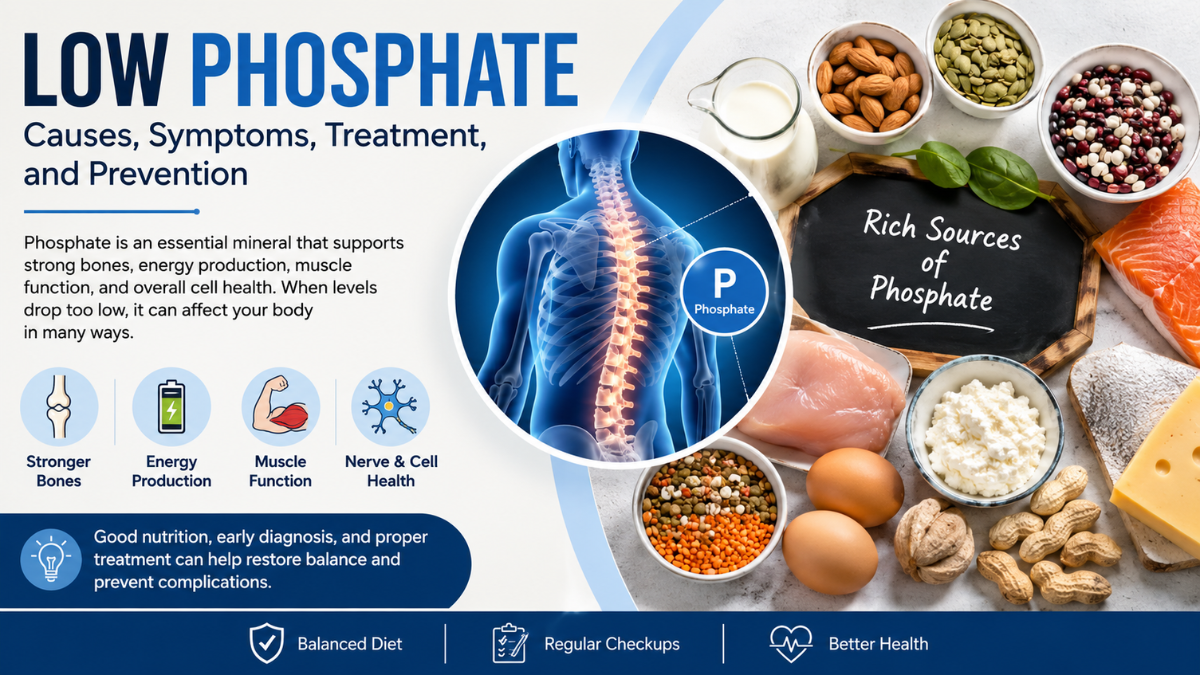
Low phosphate, medically known as hypophosphatemia, is a condition in which the level of phosphate in the blood drops below the normal range. Phosphate is an essential mineral that plays a critical role in many bodily functions, including energy production, bone health, muscle function, and cell repair. Although it often receives less attention than minerals such as calcium or iron, phosphate is equally important for maintaining overall health.
Phosphate works closely with calcium to build and maintain strong bones and teeth. In fact, nearly 85% of the body’s phosphate is stored in bones and teeth. The remaining phosphate is found in cells and tissues, where it helps produce energy and supports normal cellular activities. When phosphate levels become too low, the body may struggle to perform these functions effectively.
While mild cases of low phosphate may not produce noticeable symptoms, severe or prolonged phosphate deficiency can lead to significant health complications. Understanding the causes, symptoms, and treatment options is essential for maintaining optimal health and preventing long-term problems.
Phosphate is a form of phosphorus, a mineral naturally present in many foods. It is considered one of the body’s essential nutrients because it contributes to several critical biological processes. Every cell in the body requires phosphorus to function properly.
One of phosphate’s primary roles is energy production. It is a key component of adenosine triphosphate (ATP), the molecule responsible for storing and transferring energy within cells. Without adequate phosphate, the body cannot efficiently generate the energy needed for daily activities.
Phosphate is also crucial for bone development and maintenance. Along with calcium and vitamin D, it helps create strong and healthy bones. Additionally, phosphate supports muscle contractions, nerve signaling, DNA synthesis, and the repair of damaged tissues. These diverse functions highlight why maintaining balanced phosphate levels is so important for overall well-being.
Several factors can contribute to low phosphate levels in the bloodstream. One common cause is inadequate dietary intake. Although phosphate is present in many foods, individuals with poor nutrition, eating disorders, or prolonged fasting may not consume enough of this essential mineral.
Certain medical conditions can also lead to hypophosphatemia. For example, chronic alcoholism is frequently associated with low phosphate levels due to poor nutrition and impaired absorption. Gastrointestinal disorders such as Crohn’s disease, celiac disease, and chronic diarrhea can reduce the body’s ability to absorb phosphate effectively.
Another significant cause involves increased phosphate loss through the kidneys. Some kidney disorders, hormonal imbalances, and medications can cause excessive phosphate excretion. Additionally, individuals recovering from severe malnutrition or starvation may experience a sudden shift of phosphate into cells during refeeding, leading to dangerously low blood phosphate levels.
The symptoms of low phosphate can vary depending on the severity of the deficiency. Mild cases may not produce any noticeable signs and are often discovered during routine blood tests. However, as phosphate levels continue to decline, symptoms may become more apparent.
One of the most common symptoms is muscle weakness. Because phosphate plays a key role in energy production, insufficient levels can leave individuals feeling tired, weak, and unable to perform normal physical activities. Fatigue may become persistent and interfere with daily life.
In more severe cases, symptoms may include bone pain, confusion, irritability, numbness, and difficulty breathing. Extremely low phosphate levels can affect the nervous system and muscles, potentially leading to seizures, abnormal heart rhythms, and serious medical complications. Prompt medical evaluation is essential when severe symptoms occur.
Certain individuals are more likely to develop low phosphate levels than others. People with chronic alcohol use disorders represent one of the highest-risk groups due to nutritional deficiencies and impaired nutrient absorption.
Patients receiving intensive medical care may also be vulnerable. Critically ill individuals often experience metabolic changes that affect phosphate balance. Likewise, those recovering from severe burns, infections, or major surgeries may require close monitoring of phosphate levels.
Individuals taking certain medications face increased risk as well. Some antacids, diuretics, and medications used to manage specific medical conditions can interfere with phosphate absorption or increase phosphate loss. Understanding these risk factors can help healthcare providers identify and manage phosphate deficiency early.
Diagnosing low phosphate typically begins with a blood test that measures phosphate concentration. Healthcare providers may order this test when patients present symptoms suggestive of hypophosphatemia or when risk factors are present.
In addition to measuring phosphate levels, doctors often evaluate related nutrients and minerals. Blood tests may include calcium, magnesium, vitamin D, kidney function markers, and hormone levels. These tests help identify the underlying cause of the deficiency.
A comprehensive medical history and physical examination are also important parts of the diagnostic process. Information about dietary habits, medications, alcohol consumption, and existing medical conditions can provide valuable clues regarding the source of the problem.
Treatment depends on the severity of the deficiency and its underlying cause. Mild cases can often be corrected through dietary changes and increased consumption of phosphate-rich foods. Healthcare providers may recommend specific nutritional adjustments to restore normal phosphate levels.
For moderate deficiencies, oral phosphate supplements may be prescribed. These supplements help increase phosphate levels while addressing symptoms related to the deficiency. Patients should only take supplements under medical supervision, as excessive phosphate intake can create additional health issues.
Severe hypophosphatemia may require intravenous phosphate administration in a hospital setting. This approach allows healthcare professionals to closely monitor phosphate levels and minimize potential complications. Treating any underlying medical condition remains a critical component of long-term management.
Diet plays an important role in preventing and treating low phosphate levels. Fortunately, phosphate is found in a wide variety of foods, making it relatively easy to obtain through a balanced diet.
Protein-rich foods are among the best sources of phosphate. Examples include chicken, turkey, beef, fish, eggs, and dairy products such as milk, yogurt, and cheese. These foods provide substantial amounts of phosphorus while also supplying other important nutrients.
Plant-based sources include beans, lentils, nuts, seeds, and whole grains. Many fortified foods also contain added phosphorus. Individuals following vegetarian or vegan diets can maintain healthy phosphate levels by incorporating these nutrient-dense foods into their daily meals.
When left untreated, severe phosphate deficiency can result in serious health consequences. One of the most significant complications involves weakened bones. Prolonged hypophosphatemia can contribute to conditions such as osteomalacia, which causes soft and fragile bones.
Muscle function may also deteriorate significantly. Individuals may experience severe weakness, difficulty walking, and reduced physical performance. In extreme cases, respiratory muscles can become affected, leading to breathing difficulties that require emergency medical attention.
The cardiovascular and nervous systems may also suffer. Abnormal heart rhythms, neurological disturbances, and impaired mental function can develop when phosphate levels remain dangerously low for extended periods. These complications emphasize the importance of timely diagnosis and treatment.
Managing underlying health conditions is equally important. Individuals with digestive disorders, kidney problems, or hormonal imbalances should work closely with healthcare providers to monitor nutrient levels and address potential deficiencies before they become severe.
Preventing low phosphate begins with maintaining a healthy and balanced diet. Consuming adequate amounts of protein, dairy products, whole grains, legumes, and nuts can help ensure sufficient phosphorus intake. Proper nutrition remains the most effective preventive strategy for most individuals.
Regular medical checkups can also play a valuable role in prevention. Blood tests may help detect phosphate abnormalities early, particularly among individuals with known risk factors. Early intervention can prevent symptoms from progressing and reduce the likelihood of complications.
Low phosphate, or hypophosphatemia, is a medical condition that can affect energy production, bone health, muscle function, and overall well-being. Although mild cases may go unnoticed, severe phosphate deficiency can lead to serious complications if left untreated. Understanding the causes, symptoms, and treatment options is essential for protecting long-term health.
A balanced diet rich in phosphate-containing foods, combined with proper management of underlying medical conditions, can help maintain healthy phosphate levels. Early diagnosis and appropriate treatment are key to preventing complications and ensuring optimal body function.
By staying informed and paying attention to nutritional health, individuals can significantly reduce their risk of developing low phosphate and enjoy better overall wellness.